How to Tell If You Have a Hidden Water Leak in Your Home
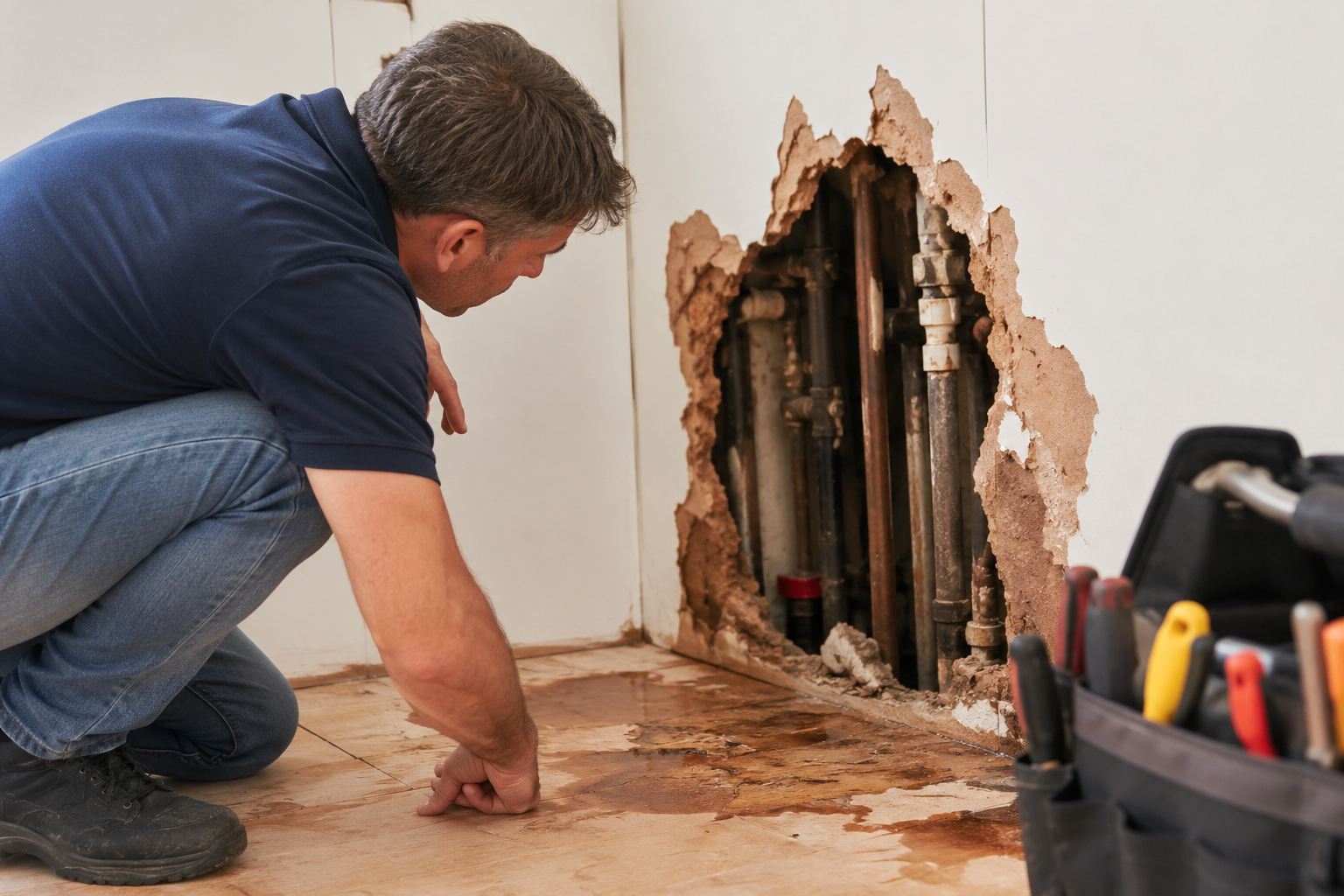
Hidden water leaks are one of the most common plumbing problems homeowners face, and they're also one of the most expensive when left untreated. Unlike a burst pipe or overflowing toilet, hidden leaks often develop slowly behind walls, under concrete slabs, inside ceilings, or beneath flooring. Because they aren't immediately visible, many homeowners don't realize there's a problem until significant water damage has already occurred.
A hidden leak can waste thousands of gallons of water each year, increase your monthly utility bill, weaken your home's structure, encourage mold growth, and even damage your home's foundation. The good news is that recognizing the early warning signs can help you catch the problem before it becomes a major repair.
Why Hidden Water Leaks Happen
Your plumbing system works hard every day, and over time pipes naturally experience wear and tear. Several factors can contribute to hidden leaks, including:
- Aging plumbing materials
- Corroded copper or galvanized pipes
- High water pressure
- Shifting soil beneath your home
- Foundation movement
- Tree root intrusion
- Poor installation from previous repairs
- Freezing temperatures during winter
- Loose fittings or deteriorated pipe joints
No matter the cause, even a pinhole-sized leak can eventually create extensive damage if it isn't repaired promptly.
Warning Sign #1: Your Water Bill Suddenly Increases
One of the easiest ways to detect a hidden leak is by paying attention to your monthly water bill.
If your household's water usage hasn't changed but your bill continues to rise, water may be escaping somewhere inside your plumbing system.
Many homeowners are surprised to learn that even a tiny leak dripping continuously throughout the day can waste thousands of gallons of water every year.
If you notice an unexplained increase in your water bill, it's a good idea to schedule a professional plumbing inspection before the problem becomes worse.
Warning Sign #2: Low Water Pressure Throughout Your Home
Low water pressure doesn't always mean there's a problem with your water provider.
Leaks inside your plumbing system reduce the amount of water reaching your fixtures. If multiple sinks, showers, or faucets suddenly have weaker pressure than normal, a hidden leak could be the reason.
Professional plumbers can perform pressure testing to determine whether your plumbing system is losing water somewhere behind the scenes.
Warning Sign #3: Water Stains or Discolored Ceilings
Brown stains on ceilings, bubbling drywall, peeling paint, warped flooring, or soft spots around walls often indicate water leaking behind finished surfaces.
These warning signs should never be ignored.
The longer moisture remains trapped inside walls, the greater the chance of mold growth, wood rot, insulation damage, and structural deterioration.
Warning Sign #4: Musty or Moldy Odors
Persistent musty smells are one of the biggest indicators of hidden moisture.
Mold only needs moisture and organic material to grow. Once a plumbing leak creates damp conditions, mold colonies can begin forming behind walls, underneath flooring, inside cabinets, or above ceilings.
If you notice unpleasant odors that won't disappear after cleaning, it's worth having your plumbing system inspected.
Warning Sign #5: Wet Spots Around Your Property
Not all leaks occur inside your home.
Outdoor plumbing leaks can create:
- Constantly wet patches in your yard
- Unusually green grass in one location
- Standing water
- Soil erosion
- Foundation settlement
These signs often point to underground water line leaks that require immediate professional attention.
Warning Sign #6: You Hear Running Water
One of the simplest tests is to turn off every faucet, appliance, shower, sprinkler, and fixture in your home.
If you still hear running water, dripping, or hissing inside walls, there's a good chance water is escaping somewhere in your plumbing system.
How Professional Leak Detection Works
Today's plumbing technology makes leak detection much more accurate than it was years ago.
Professional plumbers use advanced equipment that may include:
- Electronic leak detection equipment
- Acoustic listening devices
- Moisture meters
- Thermal imaging cameras
- Video pipe inspection cameras
- Pressure testing equipment
These tools allow leaks to be located without tearing apart large sections of your home, saving both time and money.
Why Waiting Can Cost Thousands
Many homeowners delay calling a plumber because they don't see obvious damage. Unfortunately, hidden leaks rarely fix themselves.
Over time they can cause:
- Mold and mildew growth
- Rotten framing
- Damaged drywall
- Ruined flooring
- Cabinet damage
- Foundation problems
- Higher utility bills
- Water contamination
- Expensive emergency plumbing repairs
The earlier a leak is found, the less expensive the repair usually becomes.
Preventing Hidden Plumbing Leaks
While no plumbing system lasts forever, regular maintenance can greatly reduce your risk. Helpful prevention tips include:
- Schedule routine plumbing inspections
- Repair small leaks immediately
- Monitor your monthly water bill
- Replace aging plumbing before failures occur
- Avoid chemical drain cleaners that can weaken pipes
- Keep water pressure within recommended limits
- Address slow drains before they become serious problems
Trust Request The Best Plumber
If you suspect a hidden leak, don't wait until water damage spreads throughout your home. Request The Best Plumber provides professional leak detection, pipe repair, emergency plumbing, drain cleaning, sewer line services, water heater repair, plumbing inspections, and fixture installation throughout Gainesville, Oakwood, Flowery Branch, Buford, and the surrounding North Georgia communities.
Our experienced plumbers use modern diagnostic equipment to locate leaks quickly and accurately while helping homeowners avoid unnecessary damage and costly repairs. Whether you're dealing with a small leak or a major plumbing emergency, we're committed to providing honest recommendations, quality workmanship, and dependable service when you need it most.